


When people think about protein supplements, they usually think in terms of muscle growth, flavor, or macros.
But there’s another piece of the conversation that deserves attention:
How does your nutrition affect insulin sensitivity and blood sugar response?
For athletes, everyday gym-goers, and especially those monitoring glucose levels, the answer matters.
Insulin Sensitivity
Insulin sensitivity refers to how efficiently your body responds to insulin and moves nutrients, especially glucose, into cells like skeletal muscle.
Good insulin sensitivity generally supports:
-
Better nutrient utilization
-
More stable energy levels
-
Improved blood sugar management
-
Healthier metabolic function
Skeletal muscle is one of the body’s largest sites for glucose uptake and plays a major role in glucose handling and metabolic health. (PMC)
The Hidden Side of Protein Supplements
Walk through the supplement aisle and you’ll see proteins packed with:
-
Added sugars
-
Fructose syrups
-
Heavy carbohydrate blends
-
“Mass gainer” style fillers
-
Sweeteners designed more for taste than function
For some people these ingredients may fit their goals. But for others, especially individuals watching glucose response, large glycemic loads can be less desirable.
Low-glycemic nutrition strategies are often used because they help support more moderate blood sugar responses rather than large spikes and crashes.
That’s one reason many athletes lean toward pairing: protein + vegetables + whole foods + controlled carbohydrates instead of relying heavily on processed sugars.
Protein Is More Than Muscle Building
Protein isn’t only about adding size.
It is also about preserving what you already have.
During calorie restriction, dieting phases, GLP-1 use, or insufficient amino intake, the body may begin breaking down lean tissue to meet demand.
Put simply: If amino acid intake is inadequate, muscle becomes expensive tissue to maintain.
That makes consistent protein intake even more important when pursuing fat loss or metabolic health goals.
Why Nutristat Takes a Different Approach
At Nutristat, our proteins like PÜR NATIVE™ focus on purity and bioavailability first.
PÜR NATIVE uses grass-fed native whey isolate sourced directly from milk rather than cheese by-products, with zero sugar, lactose, concentrates, by-products, gluten, hormones, or GMOs. It is designed around rapid peptide absorption and minimal processing.
Likewise, BIO WHEY® combines whey isolate, hydrolyzed whey, and serum protein isolate with no whey concentrates, emphasizing digestibility, peptide delivery, BCAAs, and immunoglobulins.
The idea is simple: deliver protein efficiently without relying on unnecessary fillers.

Where N-Acetyl Cysteine (NAC) Fits In
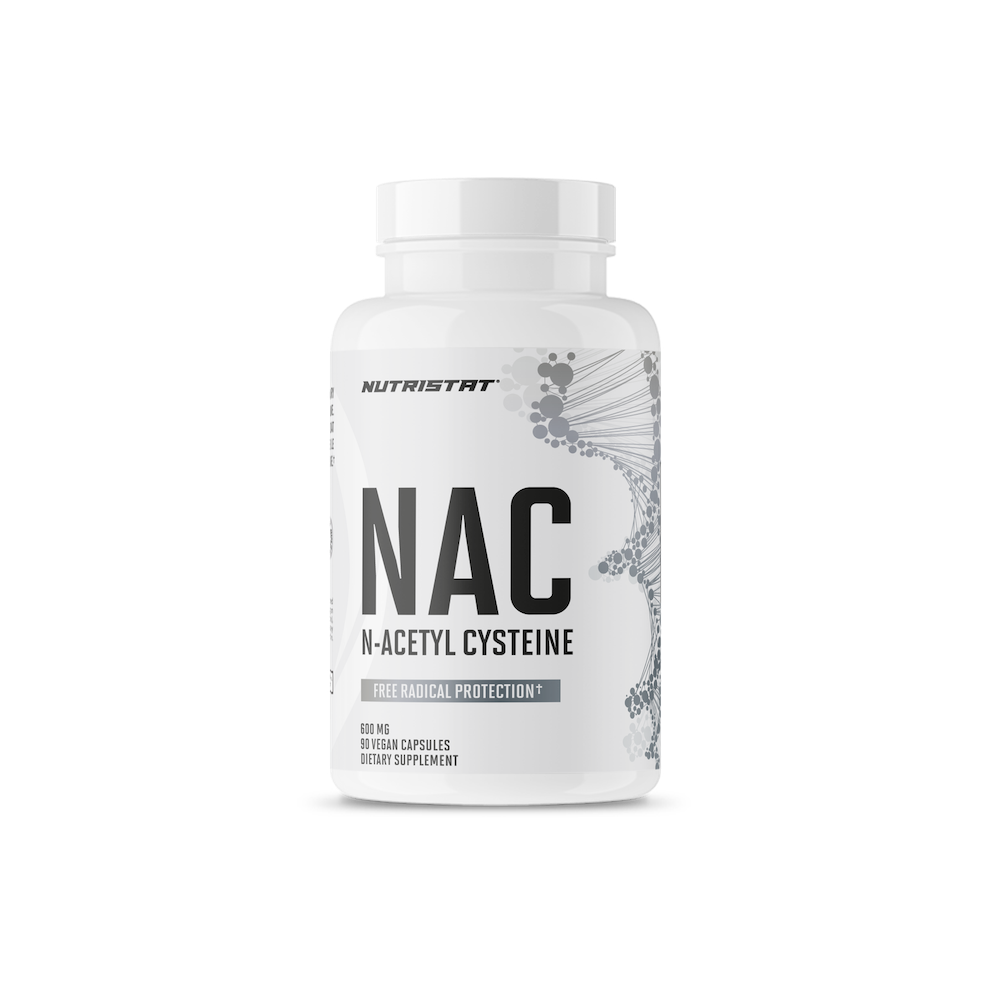
N-Acetyl Cysteine (NAC) is often known for its antioxidant role and glutathione support, but research has also explored its relationship with metabolic health and insulin function.
Studies have observed that NAC may help support markers related to glucose regulation and insulin sensitivity. Clinical work in metabolic syndrome subjects showed improvements in fasting glucose, fasting insulin, and insulin resistance markers after supplementation. (ScienceDirect)
Research has also examined NAC’s effects on insulin-stimulated glucose utilization in skeletal muscle, suggesting a potential role in supporting nutrient handling and muscle metabolism.
While it isn’t accurate to call NAC a glucose-control supplement outright, it may support pathways involved in moving nutrients where athletes want them most: muscle tissue.
Where Bio-Enhanced™ Na-R-Lipoic Acid Fits In

Another ingredient worth mentioning in the insulin sensitivity conversation is R-Lipoic Acid (RLA).
RLA is the naturally occurring, biologically active form of alpha lipoic acid and has been studied for its role in glucose metabolism, antioxidant activity, and insulin function.
Research suggests that R-Lipoic Acid may help support insulin sensitivity and healthy glucose utilization by helping cells respond more efficiently to insulin signaling. [PMC 2] For athletes and active individuals, that is important because insulin's job is not just managing blood sugar. It is also responsible for helping shuttle nutrients into muscle tissue where they can be used for recovery and performance.
Our Bio-Enhanced™ Na-R-Lipoic Acid utilizes the sodium-stabilized form of R-Lipoic Acid, which was developed to improve stability and bioavailability compared to conventional alpha lipoic acid products. It is best viewed as another tool that may help support healthy metabolic function, nutrient utilization, and overall performance when combined with proper nutrition and training.
When athletes talk about "getting more out of what they eat," this is the type of science they are talking about.
The Bigger Picture
Protein quality matters. Ingredient sourcing matters. Insulin sensitivity matters.
Whether we're talking about clean protein sources like PÜR NATIVE™ and BIO WHEY®, or metabolic support ingredients like N-Acetyl Cysteine (NAC) and Bio-Enhanced™ Na-R-Lipoic Acid, the goal is the same:
Help your body use nutrients more effectively.
As more people pay attention to metabolic health, blood sugar management, and muscle preservation, the supplement conversation is shifting from:
"How much protein?"
to:
"What kind of protein am I actually taking?"
And just as importantly:
"What else am I doing to support the way my body uses it?"
Because performance is not only built in the gym. It's built in the choices you make every day.
FREE N-ACETYL CYSTEINE
PS: You didn't think we'd make you read all that science without getting a reward for it right?! Since you made it this far, we want to let you know that we're offering up a FREE bottle of N-Acetyl Cysteine right now with any $65 purchase.
Which means you can grab any tub of BIO WHEY® or PÜR NATIVE™ and immediately unlock a free bottle of that missing piece in your fitness routine.
References
-
Merz KE et al. Role of Skeletal Muscle in Insulin Resistance and Glucose Uptake. (PMC)
-
Panahi Y et al. N-Acetylcysteine and Metabolic Status in Metabolic Syndrome. (ScienceDirect)
- Capece U et al. Alpha-Lipoic Acid and Glucose Metabolism. Diabetes Technology & Therapeutics. (PMC 2)

